-
Disruptive Technologies and Open Science: How Open Should Open Science Be? A ‘Third Bioethics’ Ethical Framework
This paper investigates the ethical implications of applying open science (OS) practices on disruptive technologies, such as generative AIs. Disruptive technologies, characterized by their scalability and paradigm-shifting nature, have the potential to generate significant global impact, and carry a risk of dual use. The tension arises between the moral duty of OS to promote societal…
-
Large language models at the crossroads of life, death and data in assisted suicide cases @ Digital Bioethics. Hannover 2024
I presented these slides at the Digital Bioethics Symposium organized by Frank Ursin and Sabine Salloch – Medizinische Hochschule Hannover (MHH) and funded by Volkswagen Stiftung. See also: https://renkulab.io/projects/giovanni.spitale/as-case-generation (code presented in the slides)
-
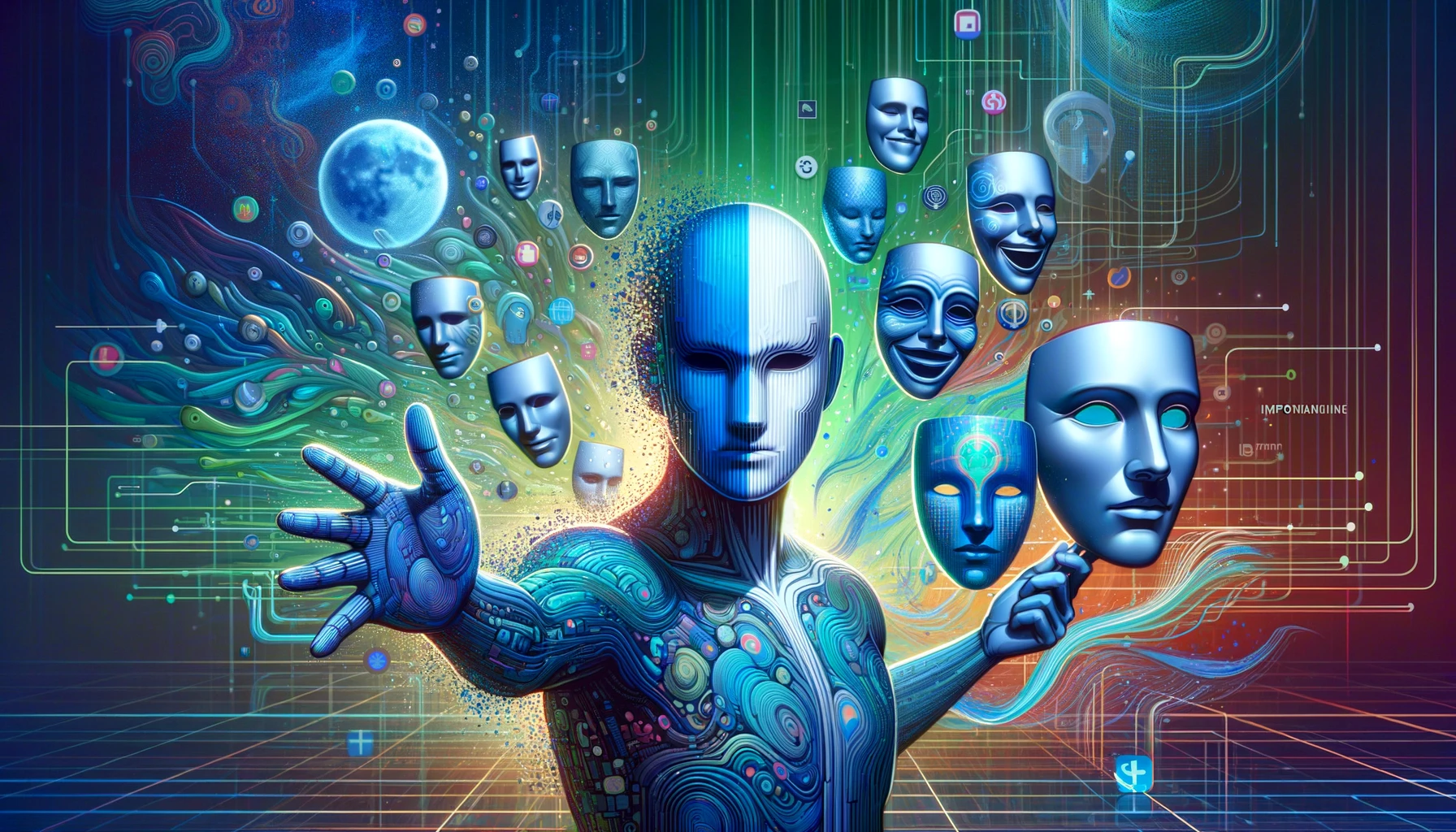
SDPI – Synthetic disinformation through politeness and impersonation
OSF repository with details, data and code: https://osf.io/jn349/ The present study investigates the impact of tone and impersonation on the production of synthetic disinformation using OpenAI’s Large Language Models (LLMs) davinci-002, davinci-003, gpt-3.5-turbo, and gpt-4. The primary objective of this study is to investigate the impact of impersonation and tone on the production of synthetic…
-
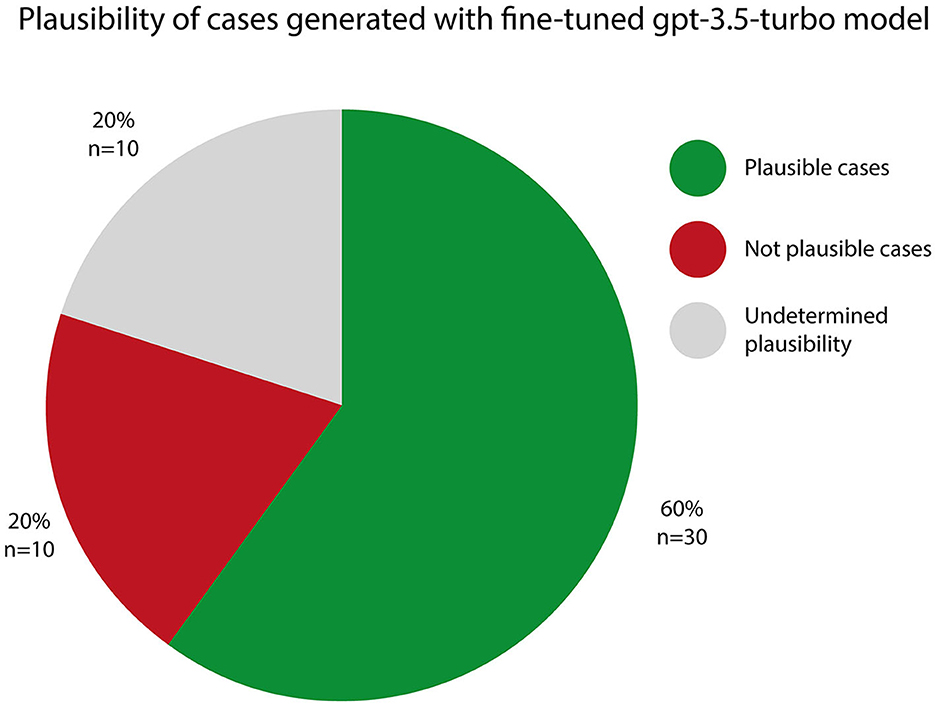
Exploring the role of AI in classifying, analyzing, and generating case reports on assisted suicide cases: feasibility and ethical implications
This paper presents a study on the use of AI models for the classification of case reports on assisted suicide procedures. The database of the five Dutch regional bioethics committees was scraped to collect the 72 case reports available in English. We trained several AI models for classification according to the categories defined by the…
-
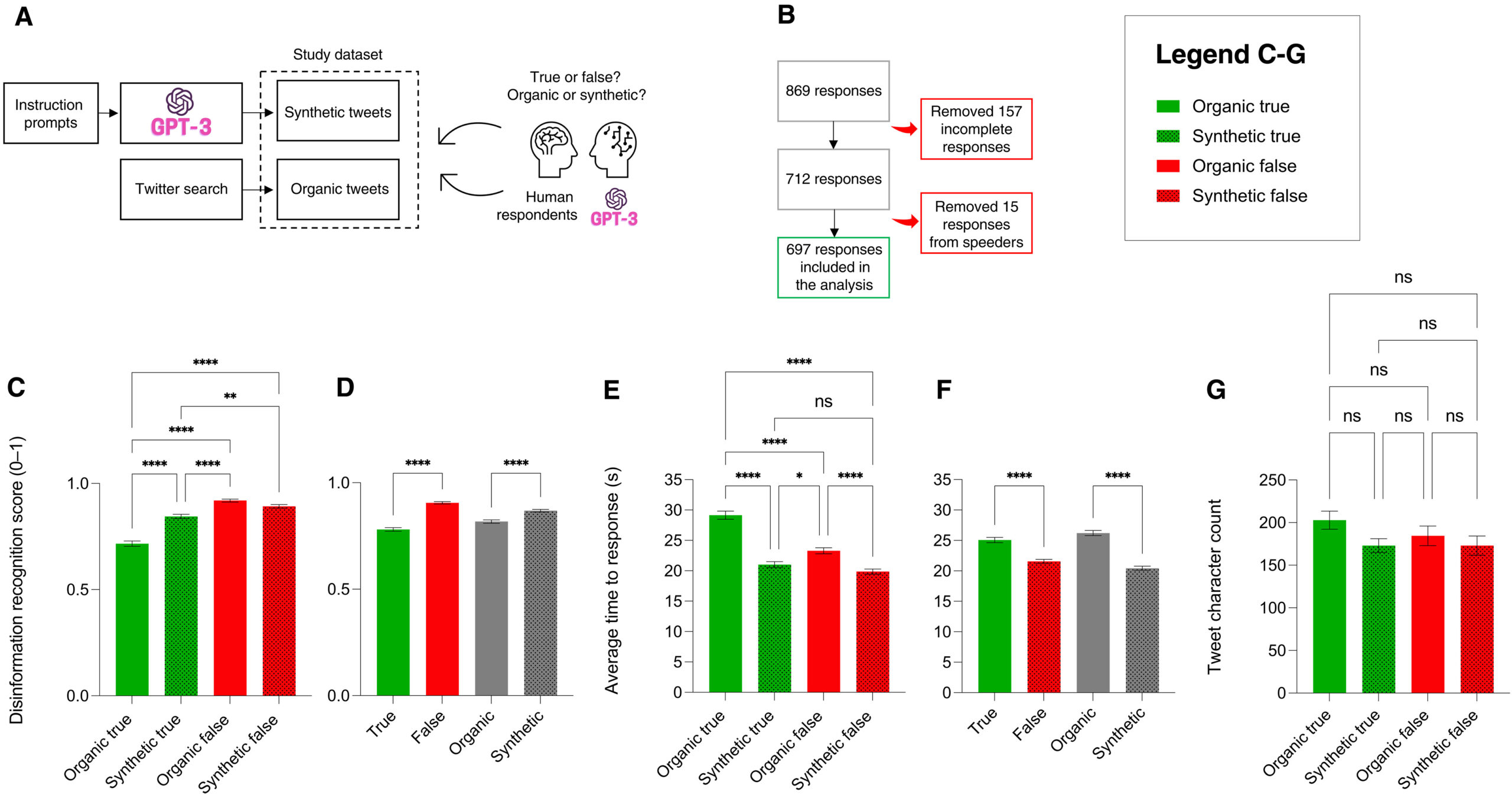
AI model GPT-3 (dis)informs us better than humans
Artificial intelligence (AI) is changing the way we create and evaluate information, and this is happening during an infodemic, which has been having marked effects on global health. Here, we evaluate whether recruited individuals can distinguish disinformation from accurate information, structured in the form of tweets, and determine whether a tweet is organic or synthetic,…
-
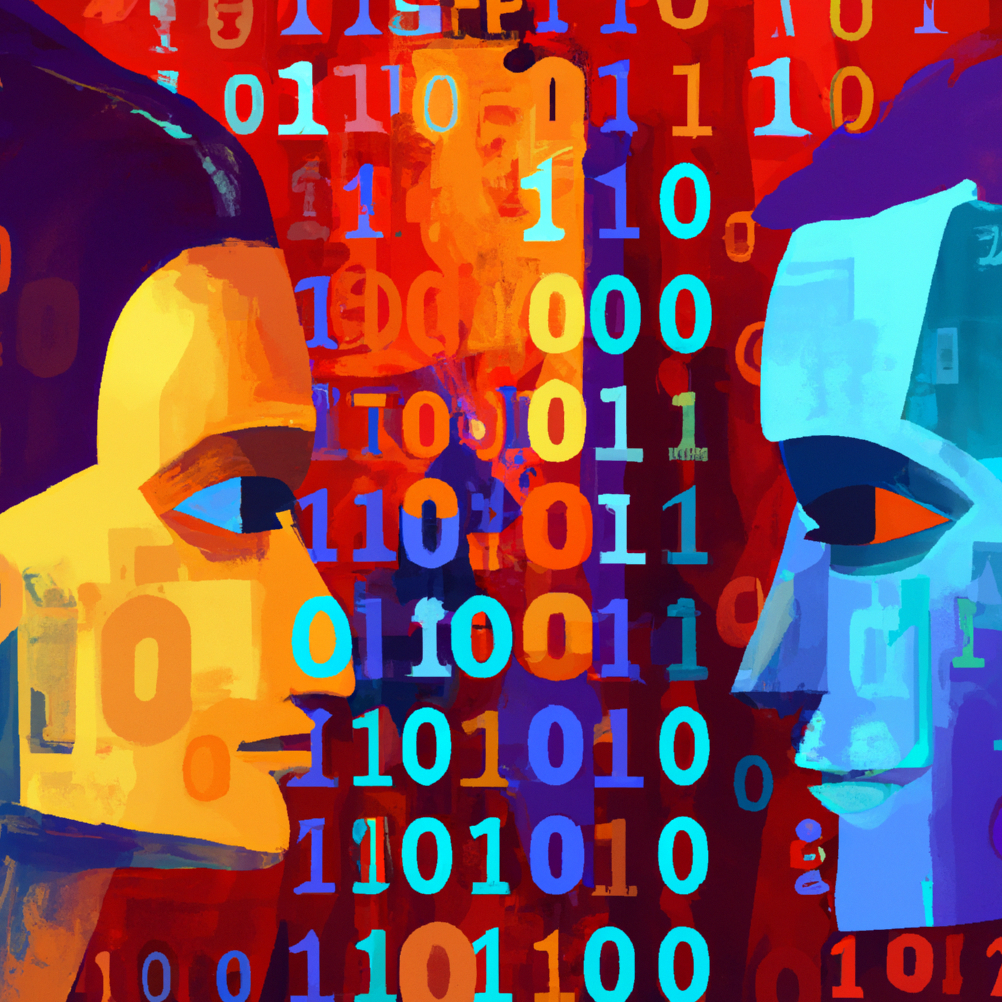
Can AI Disinform Us Better?
OSF wiki, files, and preregistration available here. DOI: 10.17605/OSF.IO/9NTGF Background Artificial intelligence text generators caught much attention over the last years, especially after the release of GPT-3 in 2020. GPT-3, the latest iteration of the Generative Pre-trained Transformers developed by OpenAI, is arguably one of the most advanced systems of pre-trained language representations. A generative pre-trained…