-
Large language models at the crossroads of life, death and data in assisted suicide cases @ Digital Bioethics. Hannover 2024
I presented these slides at the Digital Bioethics Symposium organized by Frank Ursin and Sabine Salloch – Medizinische Hochschule Hannover (MHH) and funded by Volkswagen Stiftung. See also: https://renkulab.io/projects/giovanni.spitale/as-case-generation (code presented in the slides)
-
Beyond Trade-Offs: Autonomy, Effectiveness, Fairness, and Normativity in Risk and Crisis Communication
This paper addresses the critiques based on trade-offs and normativity presented in response to our target article proposing the Public Health Emergency Risk and Crisis Communication (PHERCC) framework. These critiques highlight the ethical dilemmas in crisis communication, particularly the balance between promoting public autonomy through transparent information and the potential stigmatization of specific population groups,…
-
Empirical (bio) ethics 101 @ Ca’ Foscari Challenge School
Lesson 1 (theory, exercise, case study – DIPEx) Lesson 2 (case study – telegram social listening and PHERCC ethics)
-
Doing research in bioethics using empirical methods@DMM Postgraduate Course in Bioethics 2024
I presented these slides during the Postgraduate Course in Bioethics 2024 organized by the Department of Molecular Medicine of the University of Padova. Yay, back home! What is empirical ethics? A logical next step in the development of practical ethics after the turn to “applied ethics”. It can be both descriptive and normative, and it’s…
-
Cross country analysis of qualitative interviews: Developing a method, a community and an understanding of how Covid has been experienced around the globe
Since early 2020 there have been thousands of papers, reports, analyses, podcasts and media articles documenting each stage of the Covid-19 pandemic, as well as many hundreds of reviews, opinions, discussion pieces and commentaries interpreting the impacts of this genuinely unprecedented (at least in terms of the societal response) global event. It might be reasonable…
-
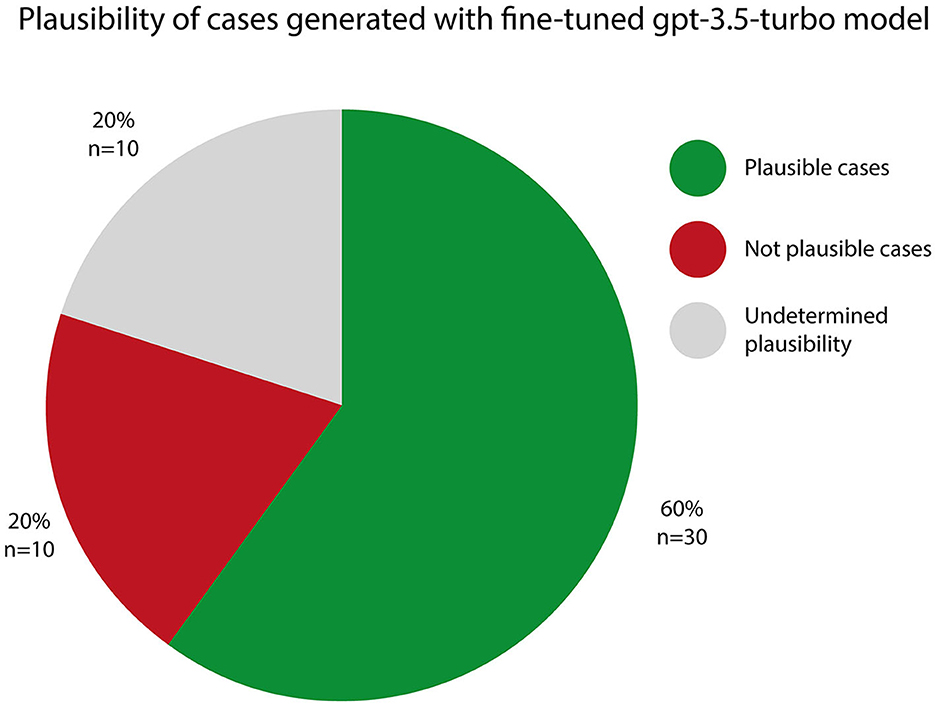
Exploring the role of AI in classifying, analyzing, and generating case reports on assisted suicide cases: feasibility and ethical implications
This paper presents a study on the use of AI models for the classification of case reports on assisted suicide procedures. The database of the five Dutch regional bioethics committees was scraped to collect the 72 case reports available in English. We trained several AI models for classification according to the categories defined by the…
-

Dieci punti @La montagna come ambiente educativo, Andreis 2023
I gave this talk in Andreis, at a conference on pedagogy and mountains organized by Fondazione Ezio Migotto. Here are the slides, the ten points I mention, and even a video of the talk.
-
Women’s experiences with non-invasive prenatal testing in Switzerland: a qualitative analysis
Background Prenatal genetic testing, in particular non-invasive prenatal testing (NIPT), as well as screening for risks associated with pregnancy, and counseling, play pivotal roles in reproductive healthcare, offering valuable information about the health of the fetus to expectant parents. This study aims to delve into the perspectives and experiences of women considering genetic testing and…
-
The PHERCC matrix. An ethical framework for planning, governing, and evaluating Risk and Crisis Communication in the context of Public Health Emergencies @ EACME 2023
Risk and crisis communication (RCC) is a current ethical issue subject to controversy, mainly due to the tension between individual liberty (a core component of fairness) and effectiveness. In this presentation, based on a paper published in the American Journal of Bioethics, we propose a consistent definition of the RCC process in public health emergencies…